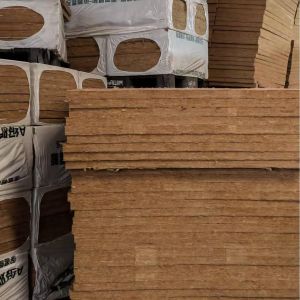
Rock Wool Boards Used For The Protection And Assistance Of Fire-fighting Equipment
As a mainstream thermal insulation and fire-resistant material, the durability and persistence of rock wool boards come from their stable physical and chemical structure as well as resistance to environmental interference. Their core characteristics can be outlined in four aspects, and key factors affecting long-term performance also need attention.
Performance and Applications
For fire water storage equipment, rock wool boards address both anti-freezing and heat insulation needs. In cold northern regions, outdoor or semi-outdoor fire water tanks—critical for fire suppression—are wrapped in 50-100mm thick rock wool insulation with aluminum foil waterproof facings. This setup retains heat, keeping tank water above 0°C even in -20°C conditions, preventing freezing that would block pipes or crack tanks and ensuring fire pumps can draw water when needed. In high-temperature areas like boiler rooms or metallurgical workshops, rock wool boards insulate tanks from external heat, safeguarding water quality and extending tank lifespan by avoiding material softening or paint degradation.
For fire power equipment such as pumps and fans—the "heart" of fire systems—rock wool boards provide fire isolation and pipeline protection. Used in the walls and ceilings of pump or fan rooms, they act as a fire barrier, preventing flames from spreading to these rooms and damaging equipment during fires. Their sound-absorbing properties also reduce operational noise. When fire pump pipes or fan ducts pass through high-temperature or flammable zones, rock wool sleeves shield them from heat-induced seal deterioration or deformation, and block flame damage to maintain unobstructed water or smoke exhaust flow.
To enhance fire separation equipment, rock wool boards are used as fillers in fire doors and shutters. Filling traditional wooden or steel fire doors with rock wool significantly boosts their fire resistance, preventing heat penetration and door deformation for 1.5 to 2 hours, thus blocking flame and smoke spread. Premium fire shutters may include rock wool cores to improve heat insulation, or rock wool strips in guide rails to seal gaps and stop smoke leakage, elevating overall fire performance.
For fire pipeline sealing, rock wool boards address weak points where pipes/cables pass through floors or walls—common paths for fire and smoke. Cut to fit, rock wool strips or boards fill these gaps, sealed with fireproof sealant. Their non-combustibility blocks flame spread, while flexibility accommodates pipe thermal expansion, preventing seal cracking. For example, rock wool sealing around high-rise fire risers stops fires from spreading between floors via pipe gaps.
In summary, rock wool boards ensure fire equipment reliability through thermal insulation, anti-freezing, fire resistance, and sealing. They are invaluable for enhancing the safety standards of building fire protection systems.

Product Tags:

|
|
Rough Rockwool Fire Board Fireproofing 30-150mm Thickness Images
|